

- proAdmin
- No Comments
- July 3, 2024
Will You Get Your Bond Back? 10 Things Landlords Actually Inspect
Creative Approach To Every Project
10 Things Landlords Actually Inspect Before Returning Your Bond
1. Kitchen Grease and Grime
The kitchen is one of the most scrutinised areas during a final inspection. Property managers carefully inspect the oven, range hood, stovetop, splashback, cupboards, drawers, and benchtops for grease, food residue, and stains. Even if the kitchen appears clean, hidden grease inside the oven or clogged range hood filters can lead to cleaning requests or bond deductions.
2. Bathroom and Toilet Sanitation
Bathrooms receive close attention during inspections. Landlords check for soap scum, mould, mildew in grout lines, limescale around taps, clean mirrors, polished fixtures, and sanitised toilets. Mould around shower screens or ceiling vents is one of the most common reasons tenants are asked to return for additional cleaning.
3. Carpet Cleanliness and Stains
Many lease agreements require professional carpet steam cleaning, particularly when pets have lived in the property. Inspectors look for stains, odours, flattened fibres, and overall cleanliness. In many cases, tenants are asked to provide a receipt from a professional carpet cleaning company as proof of service.
4. Walls, Skirting Boards, and Marks
Walls and skirting boards are checked for fingerprints, scuff marks, crayon marks, adhesive residue, and nail holes. While reasonable wear and tear is usually acceptable, excessive damage or dirty walls may result in deductions for repainting or repairs.
5. Windows, Tracks, and Blinds
Property managers inspect windows inside and out, including glass, tracks, sills, flyscreens, and blinds. Dust, cobwebs, dead insects, and dirt trapped in window tracks are frequently overlooked by tenants but are common inspection checklist items.
6. Light Fittings, Switches, and Air Vents
Dusty light fittings, dirty exhaust fans, air-conditioning vents, ceiling fans, and power switches are all inspected. These small details can significantly affect the overall impression of the property’s cleanliness during the final walkthrough.
7. Doors, Handles, and Cupboards
Every cupboard, wardrobe, shelf, and drawer should be emptied and wiped clean. Inspectors also check door handles, cabinet fronts, hinges, and internal shelving for fingerprints, sticky residue, dust, and debris.
8. Outdoor Areas, Garage, and Balcony
If your tenancy includes outdoor spaces, they are inspected as well. Garages, balconies, patios, driveways, and gardens should be free from rubbish, cobwebs, leaves, weeds, and oil stains. Lawn mowing and garden maintenance may also be required if outlined in the lease agreement.
9. Appliances Included With the Property
Built-in appliances such as ovens, dishwashers, microwaves, range hoods, and air-conditioning units should be cleaned thoroughly and left in good working condition. Dirty appliances are among the most common reasons for bond cleaning callbacks.
10. Overall Odour and First Impression
First impressions matter. Property managers immediately notice unpleasant odours caused by pets, smoking, mould, or poor ventilation. A fresh-smelling, well-presented home creates a positive impression and can influence how smoothly the rest of the inspection proceeds.
How to Prepare for a Successful Final Inspection
The safest way to avoid bond disputes is to approach your end of lease cleaning exactly as a property manager would conduct a final inspection—methodically, room by room, while comparing the property against the original entry condition report. Every surface, appliance, fixture, and fitting should be cleaned to inspection standard rather than simply looking tidy.
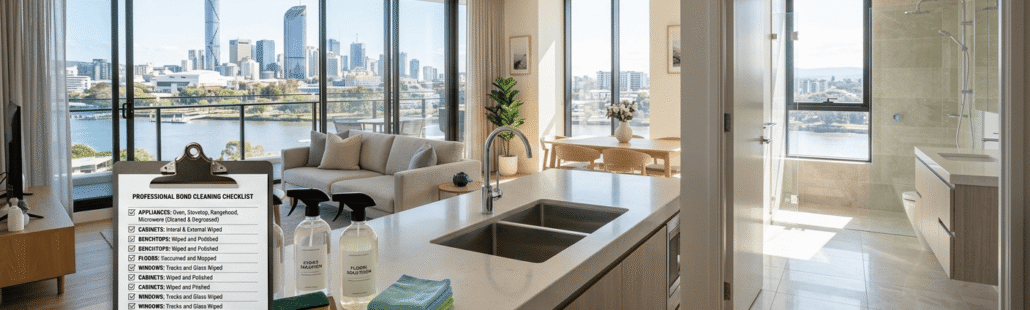
Many tenants choose professional bond cleaning or end of lease cleaning services because experienced cleaners understand precisely what landlords and property managers inspect. Professional cleaners follow detailed checklists that cover overlooked areas such as oven interiors, window tracks, skirting boards, exhaust fans, light fittings, and cupboard interiors, helping reduce the risk of costly bond deductions.
If your tenancy agreement requires it, arrange professional carpet steam cleaning before your final inspection. Many leases also recommend upholstery cleaning when furnished properties or fabric furniture are included. Commercial-grade cleaning equipment delivers far better results than standard household machines and may be required as proof of professional cleaning.
Why Choose ProShine Bond Cleaning?
At ProShine Bond Cleaning, we’ve helped tenants successfully prepare hundreds of Brisbane rental properties for their final inspection. Our cleaning checklists are built around the same standards used by property managers and real estate agencies—not just general household cleaning. From kitchens and bathrooms to carpets, windows, garages, and outdoor areas, we focus on the details that are most likely to affect your bond refund, giving you the best possible chance of passing your final inspection the first time.
Need a Professional Bond Clean?
Our experienced Brisbane bond cleaners follow a detailed property manager checklist to help maximise your chances of receiving your full bond refund.
Get Your Free Bond Cleaning Quote →Common Bond Deduction Mistakes to Avoid
Many tenants lose part of their bond because of small cleaning oversights rather than major damage. Before your final inspection, make sure you avoid these common mistakes:
- Skipping carpet steam cleaning when it’s required in your lease agreement.
- Forgetting to clean window tracks, blinds, and exhaust fans.
- Cleaning visible surfaces but leaving ovens, cupboards, and drawers dirty.
- Leaving outdoor areas, garages, balconies, or patios uncleaned.
- Not comparing your final clean against the original entry condition report.
Avoiding these common oversights is usually enough to satisfy most property managers, reduce the risk of bond deductions, and improve your chances of receiving your full bond refund.
Not Sure Where to Start?
Get a free, no-obligation quote and let our experienced Brisbane bond cleaning team handle the inspection-ready clean for you.
Contact Us for a Free Quote →Frequently Asked Questions
Here are answers to some of the most common questions tenants ask about bond cleaning, regular cleaning, and preparing for a successful end-of-lease inspection.
1. Is Bond Cleaning More Expensive Than Regular Cleaning?
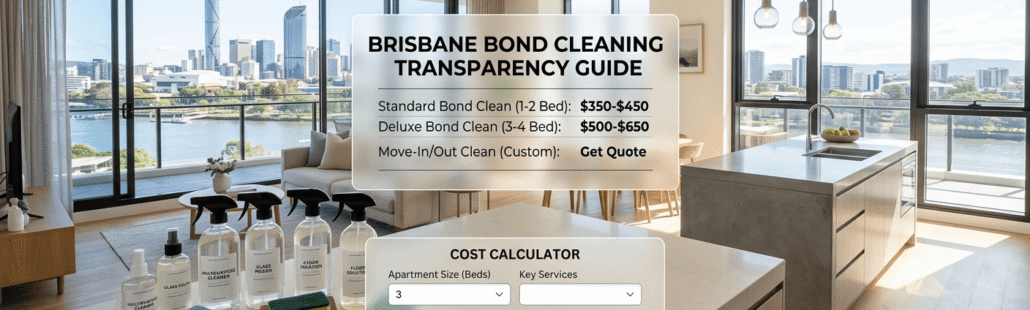
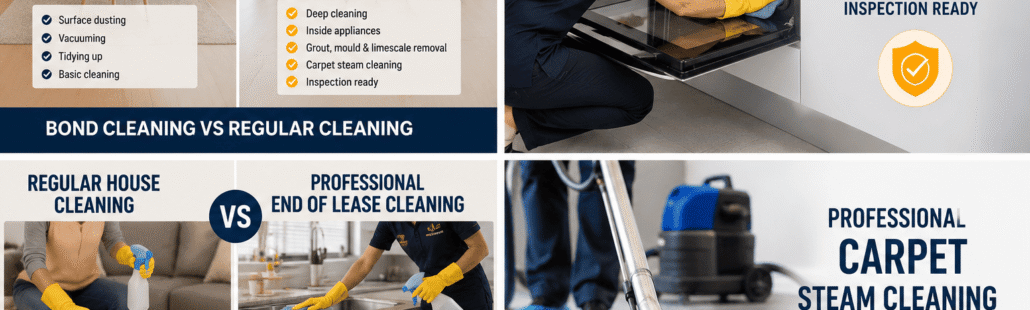
Yes. Bond cleaning (also known as end of lease cleaning) generally costs more than regular house cleaning because it involves a far more detailed, inspection-focused clean. It often includes specialised services such as professional carpet steam cleaning, oven degreasing, and detailed cleaning of areas that property managers inspect before releasing your bond. Although it’s a higher one-time cost, it can help protect your full bond refund.
2. Can I Do My Own Bond Clean Instead of Hiring a Professional?
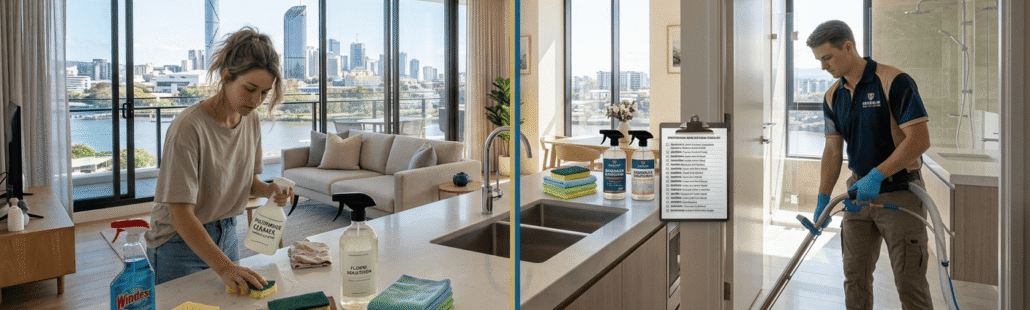
Yes. Tenants can complete their own bond clean provided it meets the same inspection standard expected by the landlord or property manager. However, DIY cleans often overlook important areas such as oven interiors, window tracks, skirting boards, cupboards, and exhaust fans, which are commonly checked during the final inspection.
3. Does Regular Cleaning Count Toward My Final Inspection?
Regular cleaning helps keep your rental property tidy throughout your tenancy and reduces the build-up of dirt and grime. However, it usually doesn’t provide the level of detail required for a successful end-of-lease inspection. A dedicated bond clean is generally still recommended before handing back the keys.
4. How Far in Advance Should I Book a Bond Clean?
It’s best to schedule your bond clean as close as possible to your move-out date—ideally within one or two days before returning the keys. This helps ensure the property stays clean, dust-free, and inspection-ready.
5. Do Landlords Require Proof of Professional Cleaning?
Many lease agreements require tenants to provide a receipt for professional carpet steam cleaning, particularly if pets have lived in the property. Some landlords or property managers may also request evidence of a professional bond cleaning service to confirm the property has been cleaned to the required inspection standard.